Verkada Preferred Partner
Verkada Pricing
An honest, installer-side guide to Verkada pricing: real hardware costs, how the cloud license works, and what a full commercial deployment runs once cabling and labor are in. Verkada does not publish list prices, so here is what to actually budget, from a licensed partner.
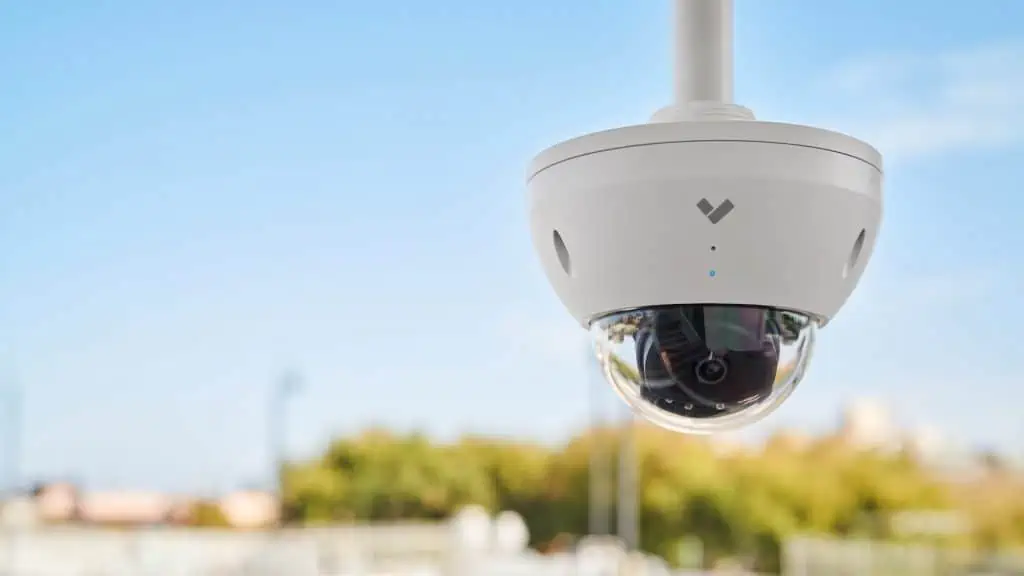
Verkada Preferred Partner
Licensed low voltage + electrical
Commercial installs in California
Multi-site deployment coverage
Verkada Pricing at a Glance
Real numbers, not a mystery. A Verkada system has three cost buckets: hardware (a one-time cost per camera, door, or sensor), a cloud license per device on a 1, 5, or 10-year term, and installation (cabling, mounting, network, and configuration). For most San Diego and Orange County commercial deployments, an installed camera lands somewhere from a few hundred to a few thousand dollars each once cabling and labor are counted, and access-controlled doors are priced separately.
The single biggest driver is not the camera model. It is how much cabling, conduit, and labor the building needs. That is why the honest answer to "what does Verkada cost" is a short site survey and a written quote, not a sticker price. The sections below show what goes into that number so you can budget before we ever visit.
How Verkada Licensing Works
Every Verkada device, whether it is a camera, a door controller, or a sensor, carries a cloud license you purchase in a 1, 5, or 10-year term. The license is what pays for cloud storage, automatic firmware and security updates, and access to the Command dashboard from any browser. Buy the hardware once; renew the license when the term ends.
Longer terms cost less per year. A 10-year license has a higher up-front number than a 1-year license but a much lower effective annual cost, which is why higher-camera-count and multi-site buyers usually standardize on 5 or 10-year terms to bring down the per-camera price. GotUWired models both the short-term and long-term license cost in every quote so you can see the tradeoff instead of guessing.
This is a very different economic model from a traditional network video recorder. With an NVR-based system, the recorder is a fixed cost that quietly ages, fills up, and eventually fails. With Verkada, storage lives on the camera and in the cloud, updates are included, and there is no recorder to replace on year four.
Real Project Pricing Examples
Three deployment profiles that show how the number scales with camera count, doors, and site complexity. These are typical installed ranges, not a specific invoice, and every figure is confirmed by a site survey. For real-world scope, GotUWired has delivered enterprise Verkada-class deployments including cloud access and CCTV for Anduril's 140,000 sq ft Irvine headquarters and a corporate and logistics build-out for Samsung in Sorrento Valley.
Single office — 15 cameras
~8,000 sq ft, 1 floor, 2 doors
A professional-services office with indoor domes over entries, corridors, and open work areas, plus cloud access on the front and server-room doors. Cat6 to each device, one network closet, same-day configuration and training.
Cameras and a multi-year license per camera, two door controllers, cabling, mounting, and setup.
Warehouse — 40 cameras + access
~65,000 sq ft, high bay + yard
High-bay interior coverage, weather-rated cameras on the docks and perimeter, license-plate recognition at the gate, and credentialed access on dock and office doors. Fiber backbone between the MDF and IDF closets.
More cameras, LPR and outdoor hardware, several access doors, and significantly more cabling and conduit.
Multi-site retail — 100 cameras
10 locations, one dashboard
A standardized camera and access package rolled out across ten stores, every site managed from a single Verkada dashboard with per-location user permissions. Phased installation to avoid closing stores.
Priced per site and rolled up; longer license terms lower the per-camera cost at this volume.
Ranges include hardware, per-device cloud licenses, cabling, mounting, and configuration, and will vary with ceiling height, indoor versus outdoor runs, license term, and whether the work is new construction or a retrofit. Your itemized quote replaces these ranges with real line items.
Hardware Cost Breakdown
What you are actually buying. Hardware is a one-time cost; the model line and how many of each you need set the number, while the cloud license is added per device.
Cameras (Bullet, Dome, PTZ, Fisheye)
Indoor and outdoor lines from compact domes for offices to PTZ and multisensor fisheye for large open spaces. Hardware is a one-time cost; the model line and resolution drive the price per unit.
Access control (doors)
Door controllers, readers, and credentials priced per door. A typical opening includes the controller, reader, request-to-exit, and wiring back to the network.
Environmental & alarm sensors
Air-quality, vape, temperature, and motion sensors, plus intrusion devices. Optional, added where a facility needs them rather than bundled by default.
Viewing stations & TVs
Wall displays and the Verkada Command console for a security desk. Optional, since every camera is already viewable from any browser.
Browse the full lineup on Verkada cameras and Verkada access control, then let us price the mix your building actually needs.
Installation Cost Factors
Labor and cabling usually move the total more than the cameras do. Here is what a professional install actually covers.
Site survey & design
A licensed technician walks the building, maps coverage and blind spots, and sizes the network and power before anything is quoted.
Cabling & network drops
Cat6 or Cat6A to every camera and door, plus switches, PoE budget, and a fiber backbone for larger or multi-building sites. Often the largest single line on an install.
Conduit, mounting & power
Outdoor runs, high-bay lifts, core drilling, and after-hours access all add labor. Retrofits cost more than open walls during construction.
Configuration & training
Registering devices, building the dashboard, setting retention and user permissions, and training your team before we leave.
Because GotUWired holds both a C-7 low-voltage and a C-10 electrical license, the cameras and the structured cabling that feed them are installed by one contractor, not two vendors pointing at each other.
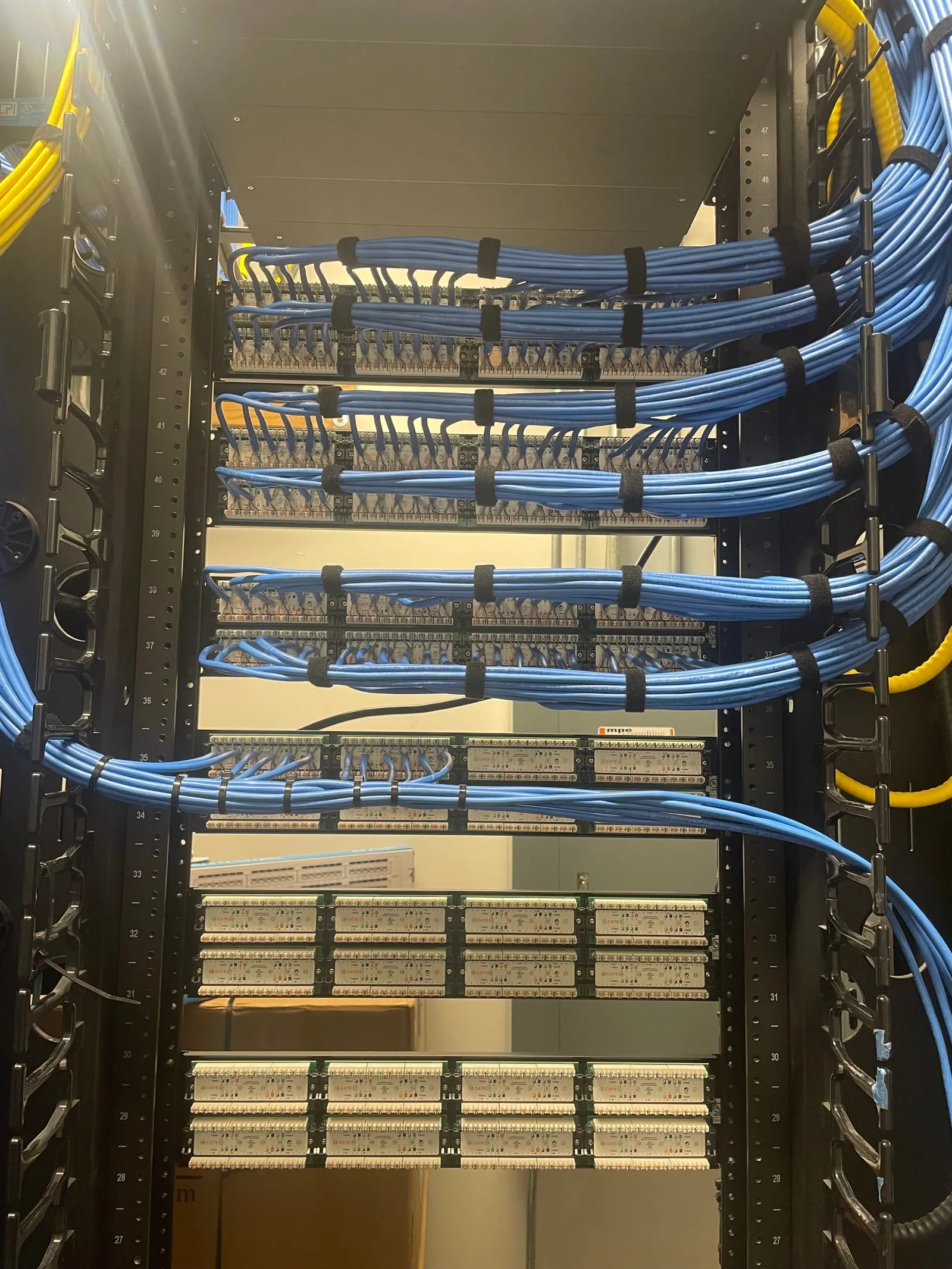 Samsung: R&D Network Infrastructure & Structured Cabling
 Featured Enterprise Deployment
Samsung
R&D Network Infrastructure & Structured Cabling · Sorrento Valley, San Diego, California
When Samsung needed to build out the network infrastructure for its major R&D corporate and logistics facility in Sorrento Valley, San Diego, they turned to GotUWired, Southern California's trusted structured cabling and low-voltage integration specialists.
View Case StudyTotal Cost of Ownership Over 5 Years
Sticker price is only the start. Compared over five years, the cloud model and the recorder model trade places once maintenance and downtime are counted.
Traditional CCTV + NVR
Lower sticker price, but the recorder is a single point of failure that ages out, needs on-site maintenance, and usually carries no software updates. Add hard-drive replacement, a service contract, and the cost of downtime when the NVR fails.
Verkada (cloud)
Higher hardware and license cost up front, but no NVR to maintain, firmware and security updates included, footage in the cloud, and a 10-year hardware warranty on cameras. Over five years the gap narrows and often reverses once maintenance and downtime are counted.
The honest takeaway: Verkada usually costs more on day one and competes hard on the five-year number. If a low up-front price is the only priority we will tell you so; if uptime, remote management, and no recorder to maintain matter, the math favors cloud.
Who We've Worked With











Get a Real Quote
Tell us your site count, a rough camera and door count, and your use case, and we will send a same-day estimate and schedule a site survey. No generic list price, just real installed numbers for your building.
Request a QuoteVerkada Pricing FAQs
How much does Verkada cost per camera?
Verkada cameras are a one-time hardware cost plus a cloud license per camera. Entry indoor domes sit at the low end and outdoor, PTZ, and multisensor models cost more, with a 1, 5, or 10-year license added per device. Installed, most commercial cameras land in a few-hundred to low-thousands range each once cabling and labor are included. A site survey produces the exact per-camera number for your building.
Why does not Verkada publish pricing?
Verkada sells through certified partners and prices by deployment, since the camera mix, license term, access-control doors, and cabling vary from site to site. As a Verkada Preferred Partner, GotUWired gives you real installed pricing after a short site survey rather than a generic list price that would not match your building.
How does Verkada licensing work?
Every Verkada device carries a cloud license you buy in a 1, 5, or 10-year term. The license covers cloud storage, firmware and security updates, and access to the Command dashboard. Longer terms lower the cost per year, so higher-camera-count and multi-site deployments usually choose 5 or 10-year licenses to bring down the effective per-camera price.
Is Verkada more expensive than a traditional CCTV system?
Up front, usually yes, because the license and hardware cost more than a basic DVR or NVR kit. Over five years the picture changes: there is no recorder to maintain or replace, updates are included, and cloud footage removes a common point of failure. Once maintenance, refresh, and downtime are counted, total cost of ownership is often comparable or lower.
What drives the total installation cost the most?
Cabling and labor, not the cameras. The number of drops, ceiling height, indoor versus outdoor runs, conduit, and whether the walls are open during construction or a retrofit all move the price more than the camera model does. That is why an on-site survey is the only way to get an accurate number.
Can you install Verkada across multiple sites on one budget?
Yes. GotUWired standardizes a camera and access package, prices it per location, and rolls it up into one proposal so every site is consistent and managed from a single dashboard. Higher volume and longer license terms reduce the per-camera cost across a multi-site rollout.
Do you offer financing or phased rollouts?
Many commercial deployments are phased by building, floor, or location so the investment is spread over a schedule instead of a single payment. We can also stage a project to match a construction timeline or a fiscal-year budget. Ask about options when you request a quote.
How fast can I get a real Verkada quote?
Tell us your site count, rough camera and door count, and use case, and we will schedule a same-week site survey and return an itemized written estimate. GotUWired runs crews from San Diego and Orange County and installs nationwide for multi-site clients.
Ready for Real Verkada Pricing?
A short survey turns these ranges into an itemized written quote with no surprise change orders.
Request a Quote